

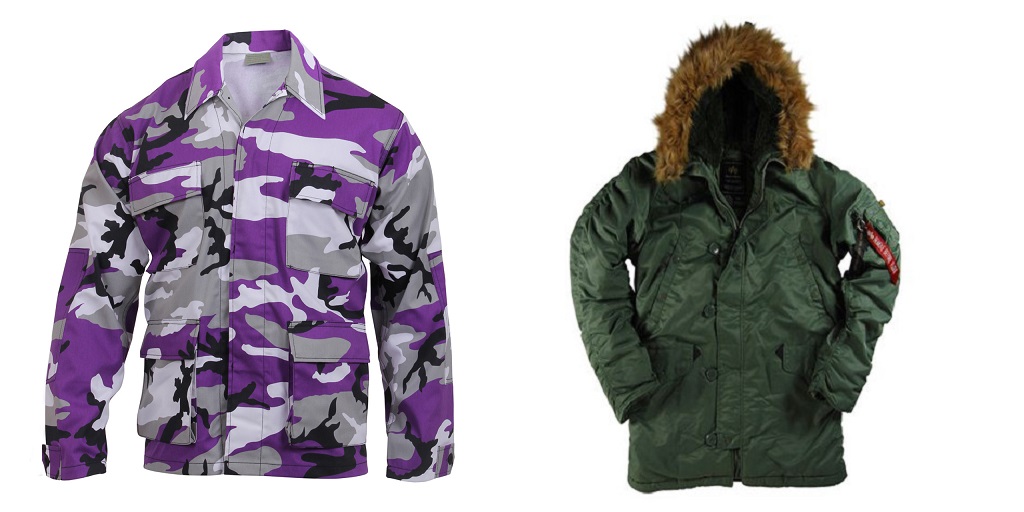
A vintage Army jacket like an M-65 field jacket is a thing of beauty. Not only is it made to rigorous standards of quality control, if you care for it, it will care for you for a long time.
That being said, no two vintage Army jackets are necessarily the same, and each may require unique care and attention to ensure they last for the long haul.
This short post will help break down basic care of a vintage jacket so that it will last for longer.
Read the Product Label
While there’s no guarantee that care instructions will be there, especially on true vintage pieces, that’s the first place you should look.
The product label should tell you not only what the materials are that are used in the shell, liner and other textile components of the jacket, but how to care for it.
For instance, the label should tell you whether or not the garment is machine washable, and if so, what cycle and settings to use.
Understandably, if the jacket is actually old, this information won’t be there, and you’ll have to clean the jacket by hand; but it’s still worth a look.
Understand the Fabric or Material
Over the years, Army jackets, like other military outerwear, have been made from a wide range of materials and textiles. Many of them are natural, like cotton, linen, wool and leather, and some are synthetic, like polyester and vinyl.
These materials understandably have different care requirements; woven wool textiles, for instance, should not be machine washed, if you can help it, and should be only gently handled while wet to prevent the material from felting.
Regardless, you need to know what materials have been used in the manufacture of the coat or jacket so that you know how to clean it.
Hand-Cleaning and Spot Cleaning
Assuming you cannot machine wash the vintage Army jacket in question, then you’re left with manual cleaning.
You should spot clean if possible; there’s no need to wash a whole jacket for a single stain, and washing places a lot of stress on garments as it is.
Select your detergent based on its appropriate uses as well as if it’s compatible with the material from which the jacket is made, then test an inconspicuous area. Look for bleeding colors, discoloration, and wear to the material.
If you don’t see any warning signs of damage, then you can proceed with spot cleaning the affected area as needed.
When in Doubt, Dry Clean
If you can find no information on the jacket or what it’s made from, then the safest thing you can do is take the jacket to a professional dry cleaner to have them clean it and, if necessary, restore it.
Here for a Vintage Army Jacket?
In the market for a vintage Army jacket for your collection? Visit Fatigues Army Navy first. They carry a lot of surplus along with modern brands like Rothco that specialize in reproduction military apparel and field gear. Visit their website and get in touch with them if you have any questions.

