Pond muck, the normal organic sediment buildup, becomes problematic when excessive, as it degrades water quality, leading to algae, bad smells, and an unhealthy environment for aquatic life.
The immediate reaction might be to reach for harsh chemical treatments or resort to costly, disruptive draining and dredging. Pond owners who prioritize minimizing chemicals, runoff, and ecological disruption need gentle, effective solutions that align with their environmental values.
Effective, non-invasive, and eco-friendly methods exist for treating pond muck and improving water quality without draining the pond. These strategies focus on enhancing the pond’s natural biological processes, making them the ideal choice for the conscious pond keeper.
The Problem with Traditional Approaches
Quick chemical fixes for pond muck have environmental costs. The sudden organic die-off depletes oxygen, harming fish, and chemicals disrupt the essential microbial balance. Sustainable, biological solutions are preferred for responsible stewardship.
Three Pillars of Gentle Pond Muck Management
Improving water quality and reducing pond muck relies on a three-pronged approach that supports the pond’s inherent ability to heal itself.
1. Harness the Power of Beneficial Bacteria
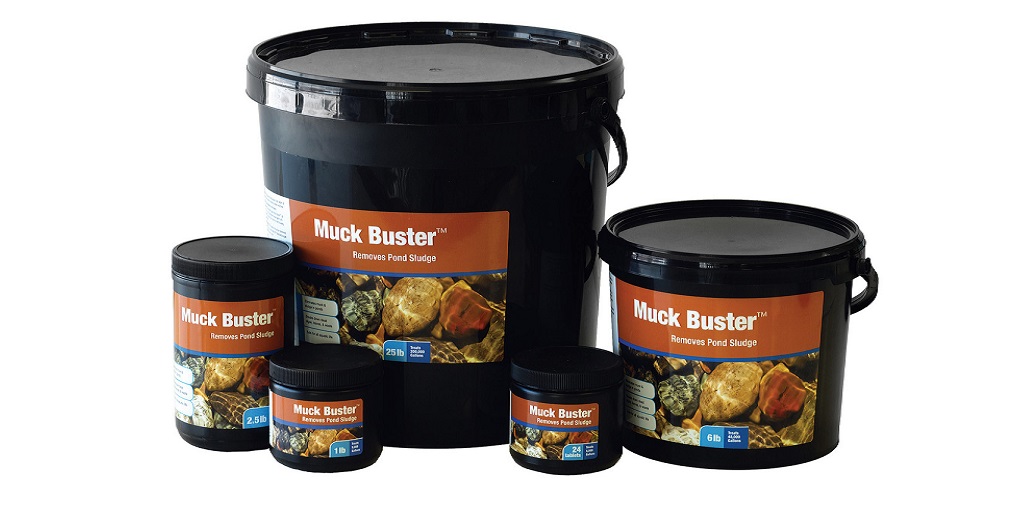
This is the cornerstone of gentle pond treatment. Specialized microbial blends, often called “beneficial bacteria,” are naturally occurring microorganisms that actively consume and break down the organic sludge that makes up pond muck. When you introduce concentrated amounts of these beneficial bacteria, you are essentially accelerating nature’s cleanup crew.
These bacteria work tirelessly at the pond bottom, digesting leaves, dead algae, fish waste, and other debris. The result is a natural, enzymatic reduction of the muck layer, which in turn reduces the nutrient load (like phosphorus and nitrogen) that fuels unwanted algae growth. It’s an elegant solution—using biology to solve a biological problem.
2. Increase Oxygen and Circulation with Aeration
An often-overlooked factor in muck accumulation is low oxygen levels at the pond bottom. The bacteria responsible for breaking down sludge (aerobic bacteria) thrive in oxygen-rich environments. A bottom-diffused aeration system introduces vital oxygen throughout the water column, reaching the deepest muck layer.
This oxygen boost supercharges the beneficial bacteria, allowing them to digest the pond muck more efficiently and rapidly. Furthermore, continuous circulation prevents thermal stratification (layers of water with different temperatures and oxygen levels), creating a healthier, more balanced habitat for fish and amphibians.
3. Nutrient Reduction with Natural Binders
While bacteria address the existing muck, nutrient binders help prevent future build-up. Many ponds are plagued by excess phosphorus, a primary driver of algae blooms. Certain natural products, like specialized clay or mineral compounds, can be added to the pond to safely bind to and inactivate phosphorus in the water, effectively starving the algae without using harsh chemicals. Minimizing available nutrients helps limit the organic material that ultimately settles as pond muck.
A Commitment to Environmental Stewardship
Choosing a gentler path for pond care is not just about avoiding harsh substances; it’s about making a proactive commitment to environmental stewardship. Biological treatments, aeration, and natural nutrient control work in harmony with the natural environment, yielding cleaner water and a healthier ecosystem for years to come.
If you’re ready to transition to a more responsible and sustainable pond maintenance routine, explore the tools that enhance your pond’s natural processes. Achieve a crystal-clear pond the gentle way. Shop at Blue Thumb today for everything you need for effective, chemical-free pond muck control, including high-quality beneficial bacteria and efficient aeration systems.