
Every time a child picks up a unique shiny pebble from the driveway or gazes at the moon with wonder, they are practicing earth science. As a parent, you have the incredible opportunity to turn that natural curiosity into a lifelong passion for discovery.
An earth science curriculum is more than just a school requirement; it is a roadmap that helps your children understand the complex, beautiful systems of the planet we call home—from the depths of the oceans to the furthest reaches of our solar system.
Why Hands-On Learning Matters in Earth Science
For a child, the difference between reading about a volcano and holding a piece of cooled lava in their hand is monumental. Earth science is a tactile subject. When children engage in hands-on learning, abstract concepts like “sedimentary layers” or “mineral hardness” become tangible realities.
When you incorporate physical exploration into your learning process, you foster authentic comprehension instead of relying on mere rote memorization. Using tools like rock tumbler kits or a mineral study kit allows children to classify and identify specimens based on their own observations.
This active participation builds critical thinking skills and ensures that the lessons learned at the desk are reinforced through touch and sight.
Tools that Bring Earth Science to Life
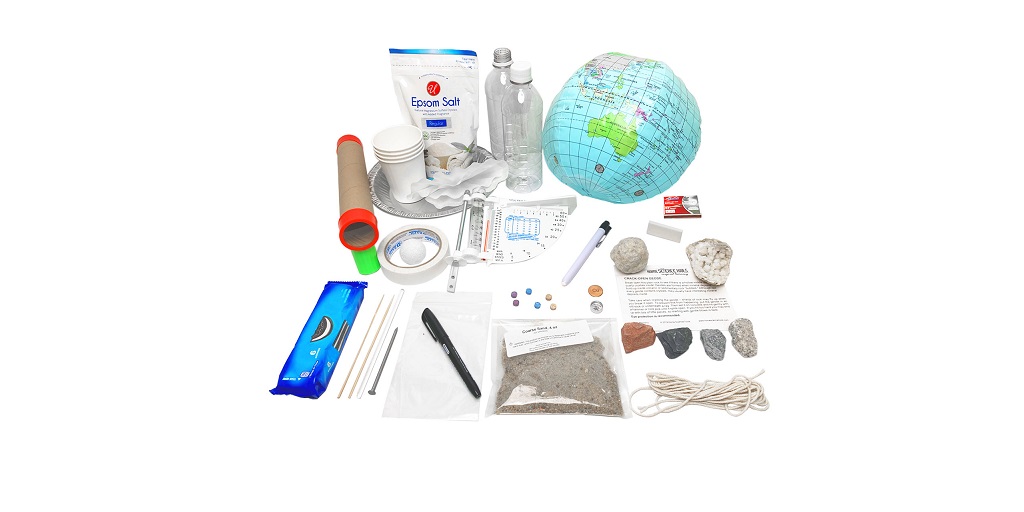
To truly unlock the potential of earth science teaching, it helps to have the right “scientific gear” at home. These tools don’t just teach facts; they provide experiences.
- Telescopes: The ultimate windows to the universe! A telescope turns a flat night sky into a 3D landscape of lunar craters and planetary rings, making the astronomy portion of the curriculum unforgettable.
- Specialized Equipment: Whether it’s a high-quality magnifying glass for inspecting soil or weather stations to track rainfall, having professional-grade equipment shows children that their observations are important and “real.”
- Paleontologist Kits: Kits focused on fossils or crystals provide a curated experience where children can act as geologists in their own living room, uncovering the history of the Earth one layer at a time.
- Weather Watch: The science of weather affects everyone every day. These kits are designed to help aspiring students understand and evaluate phenomena.
- Earth Forces: Easily explore topics like acid rain, erosion, and human environmental impact.
Tips for Integrating Science into Your Daily Routine
You don’t need to be a scientist to facilitate a great science education. The key is to make the earth science curriculum a part of your family’s lifestyle:
- Nature Walks: Turn a weekend hike into a “geology expedition.” Look for signs of erosion or different types of rock formations.
- Starry Nights: Dedicate one night a month to observing the night sky (with or without a telescope). Track how the constellations shift with the seasons.
- Real-World Connections: When you see a storm brewing, talk about barometric pressure or cloud types. These “teachable moments” are where the real learning happens.
Empowering Your Home Classroom
Teaching earth science aims to inspire both a sense of wonder and a commitment to stewardship.
Giving your child the appropriate tools and curriculum for this exploration does more than just educating them about the world, it teaches them a new way to perceive it.
As you embark on this journey of discovery with your child, remember that you don’t have to go it alone. Having access to high-quality, reliable resources can make all the difference in sparking a lifelong love for science.
For everything from professional-grade telescopes to comprehensive rock tumbler kits that perfectly complement your earth science curriculum, visit Home Science Tools to find the essential equipment and inspiration you need to transform your home into a vibrant laboratory where your child’s curiosity can truly thrive.