If you have ever noticed persistent white spots on your clean glassware, crusty buildup on your showerheads, or a lingering dryness on your skin and hair after a bath, you are likely dealing with the effects of hard water. These daily frustrations are more than just a cleaning nuisance; they are signs of a specific mineral imbalance in your water supply.
Beyond the surface-level frustration lies a scientific explanation that is key to preserving your home. A water filter for hard water serves as a vital shield, protecting your plumbing and ensuring long-term comfort for your entire family through smart, preventive technology.
What is Hard Water?
At its core, water hardness is a measure of dissolved mineral concentration, specifically calcium and magnesium. This process begins naturally: as rainwater travels through rocks like limestone and chalk, it dissolves and carries these minerals along with it. While drinking these minerals is generally not harmful to human health, they are incredibly aggressive toward your home’s infrastructure. When hard water is heated or evaporates, it leaves behind solid deposits that can clog pipes and interfere with modern plumbing, making it a “hard” problem to manage without the right approach.
Common Signs Your Home Needs a Water Filter For Hard Water
Identifying hard water is the first step toward safeguarding your home. You might notice several practical warning signs in your daily routine:
- Limescale Buildup: That stubborn, white crusty residue that forms around faucets, showerheads, and inside kettles.
- Inefficient Appliances: Dishwashers and washing machines that require frequent repairs or break down prematurely due to internal mineral deposits.
- Soap Scum and Poor Lather: Difficulty getting soap or shampoo to foam, often leaving a sticky film on your clothes or skin.
- Dull Hair and Dry Skin: A heavy sensation in your hair and persistent skin irritation, as minerals prevent natural moisture from being absorbed.
How Do Hard Water Filtration Systems Work?
It is important to understand that a standard activated carbon filter—while great for taste—is not designed to remove mineral hardness. To address this, a specialized water filter for hard water utilizes specific technologies:
- Ion Exchange: Often considered the most effective method, this system passes water through a resin bed that captures calcium and magnesium ions, replacing them with sodium or potassium ions.
- Template-Assisted Crystallization (TAC): Rather than removing minerals, this salt-free technology changes their physical structure so they cannot stick to your pipes or surfaces.
- Reverse Osmosis: This involves forcing water through a microscopic membrane, removing almost all dissolved solids, including the minerals responsible for hardness.
The Long-Term Benefits of Water Softening
Investing in the right system is about long-term preservation and efficiency. Effective mineral content management leads to substantial savings on maintenance and prevents premature failure of costly appliances.
Furthermore, cleaning becomes more efficient; detergents and soaps perform better in treated water, meaning you use less product to achieve better results. Addressing water hardness is a commitment to improving your daily quality of life while safeguarding the integrity and value of your home’s entire plumbing system.
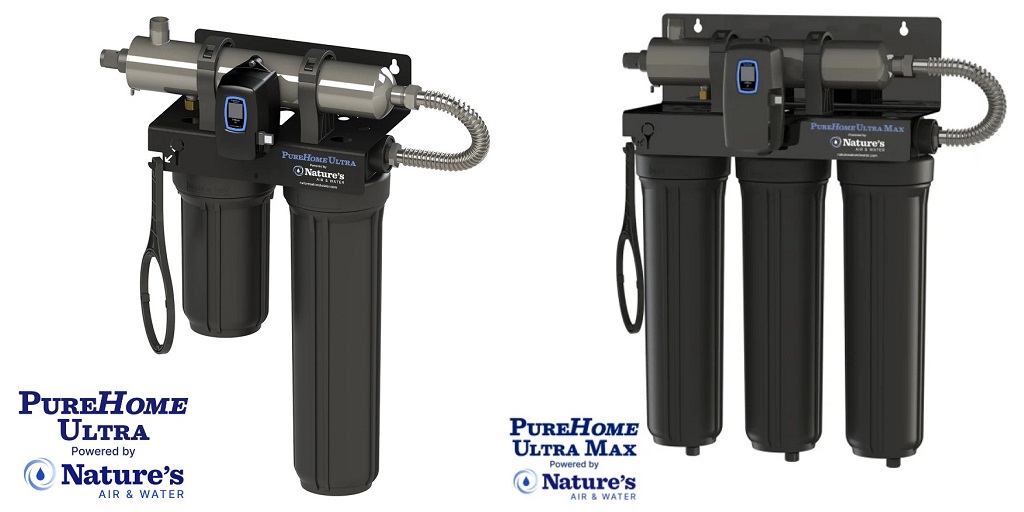
Explore how Nature’s Air & Water helps you care for your home and family.