You know how drinks at a bar sometimes taste great when you first get there, all crisp and balanced, but then seem a bit flat or sharp later on, even though it’s the exact same mix? Turns out, that’s usually down to the ice machine’s filters and cartridges.
That shift is not about contamination or cloudy ice. It is about time.
Ice Machine Filters and Cartridges and the Evening Water Shift
As dinner service turns into a full bar rush, municipal water systems respond to demand. Restaurants, apartments, and venues pull water simultaneously. Pressure changes slightly. Flow rates adjust. Mineral balance can drift within acceptable limits.
These changes are small. They do not trigger alerts. But frozen water magnifies flavor. Ice machine filters and cartridges are designed to smooth those micro shifts before they reach the ice bin.
When filtration keeps pace, the ice tastes the same all night. When it does not, subtle differences slip through.
Municipal Water Is Not the Same Hour to Hour
Water chemistry is not static; it changes daily. Though treatment levels remain compliant, trace minerals and dissolved solids fluctuate as demand increases.
Slower, earlier evening water is less noticeable than faster, higher-demand later water when liquid, but the differences are evident once frozen.
Ice does not just chill. It releases flavor gradually. That makes it sensitive to even minor upstream changes.
Taste Inconsistency Shows Up Quietly
This is why taste inconsistency is easy to miss. Ice can remain clear and safe while carrying a slightly different flavor profile. Guests rarely complain outright. They pause. They sip slower. They may skip a second round.
Bars often focus on spirits and syrups for consistency while overlooking the one ingredient present in every drink. Water.
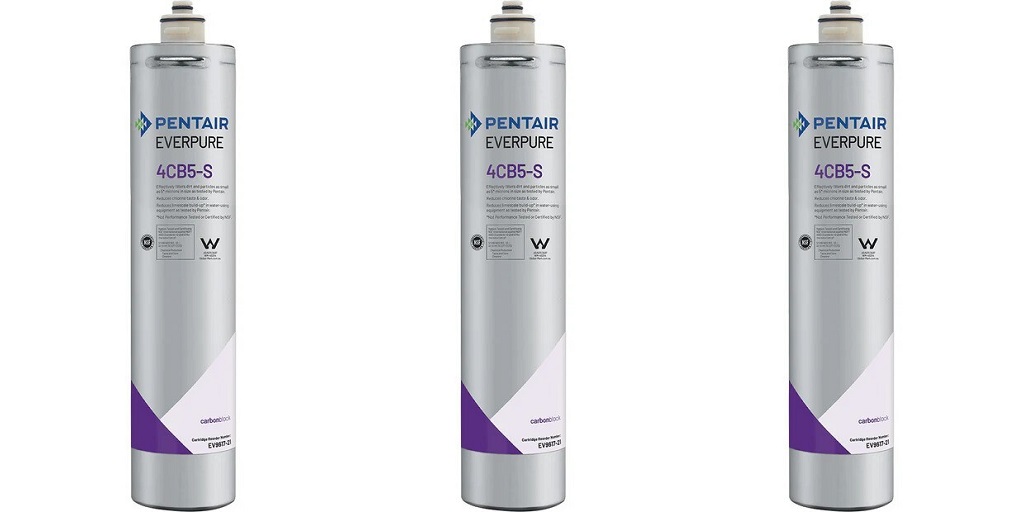
Ice machine filters and cartridges act as buffers. They absorb variability so the drink experience stays predictable from the first pour to last call.
Heavy Service Changes Filtration Behavior
During peak hours, water moves through filtration systems faster. Contact time decreases. Filters still function, but their ability to smooth fluctuations weakens when sized for averages rather than sustained demand.
This is not failure. It is physics. Filters designed for steady flow perform differently under continuous draw.
That difference shows up in taste before it ever shows up in clarity or machine performance.
Why Ice Carries Flavor Longer Than Water
Ice stays in the glass longer than liquid water. It melts slowly and influences every sip. Any difference in mineral content becomes part of the drink’s finish.
This is why bartenders sometimes hear comments like it tasted better earlier tonight. The drink is not wrong. The ice changed.
Taste inconsistency over time is harder to diagnose than visible problems. Yet it affects perception just as strongly.
Busy Nights Make the Issue More Noticeable
Valentine’s Day, weekends, and events compress hours of demand into tight windows. The longer the rush lasts, the more likely water chemistry shifts become noticeable in ice.
Bars remembered for quality tend to deliver the same experience at 9 PM as they do at 6 PM. That consistency builds trust even if guests never articulate why.
Managing ice taste is part of that promise.
Planning for Taste Stability Instead of Just Output
Filtration addresses large safety concerns. However, maintaining consistent taste requires a different approach: smoothing out tiny, continuous variations rather than a single clean-up.
Instead of stressing over perfection, aim for results you can consistently repeat. This means checking how much the cartridge can handle and its ability to handle different flow rates. Also, make sure to set up replacement times that account for those busy periods.
When ice tastes the same all night, the bar feels controlled even when it is packed.
Why Ice Machine Filters and Cartridges Deserve Attention
Ice machine filters and cartridges are crucial for consistent flavor, especially during peak demand. Operators should explore efilters, a water filtration leader since 1979, to ensure taste quality doesn’t change between 6 PM and 9 PM.